
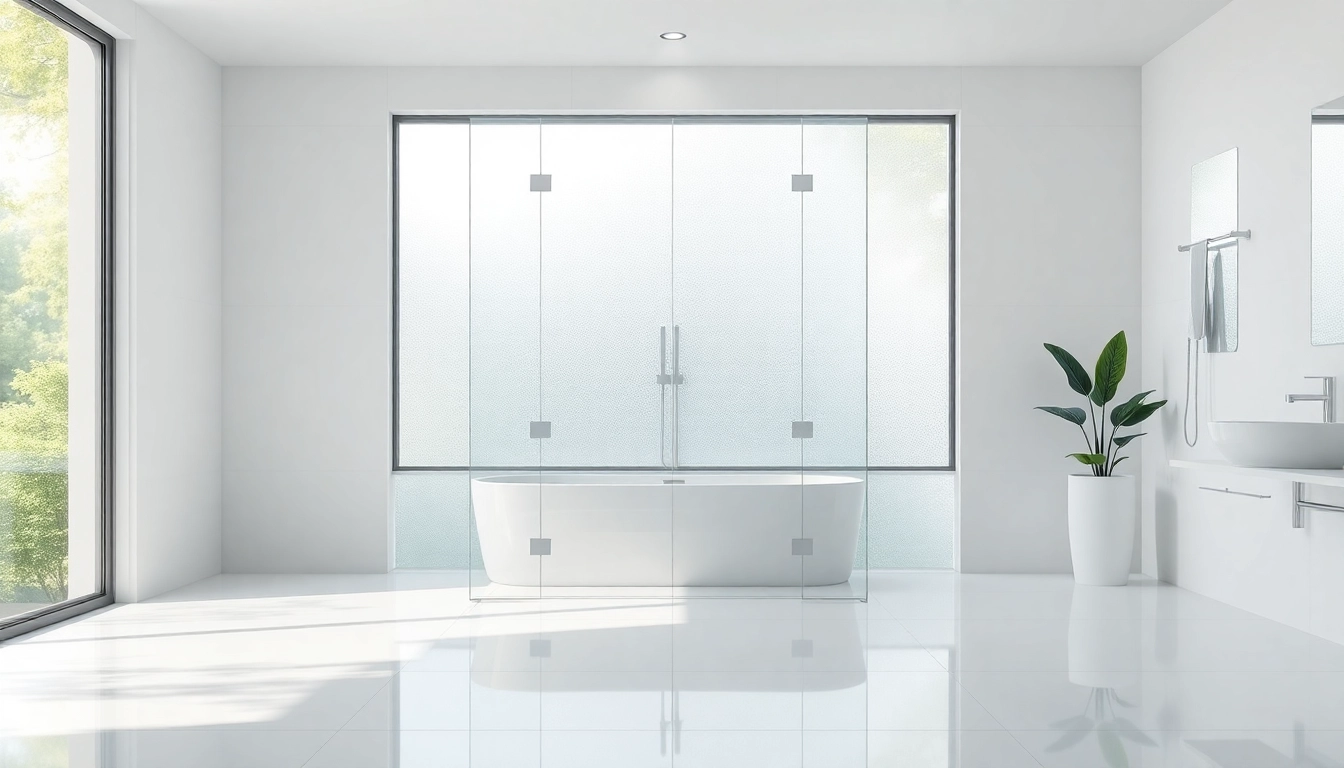
Understanding Shower Screens for Walk In Showers
Shower screens can dramatically enhance the functionality and aesthetics of walk-in showers. These installations not only prevent water from splashing outside the shower area but also contribute to the overall design of your bathroom. Designed to be both stylish and practical, shower screens for walk in showers come in various designs and materials, making them a versatile choice for any bathroom renovation or new build.
What Are Shower Screens?
Shower screens are glass panels installed to enclose a shower area, providing a barrier that keeps water contained within the shower. Unlike traditional shower curtains, which can retain moisture and develop mold, shower screens are typically made from tempered glass, offering a clean, modern look that complements most bathroom styles. They can be fixed, bi-fold, or sliding, catering to different space requirements and aesthetic preferences.
Types of Shower Screens Available
Shower screens for walk-in showers are not one-size-fits-all; various types are designed to suit different preferences and layouts:
- Fixed Screens: These panels are installed to stand alone, offering a sleek and minimalist look. They are perfect for spacious walk-in showers.
- Bi-fold Screens: Ideal for compact bathrooms, bi-fold screens fold inward, saving space while providing excellent water containment.
- Sliding Screens: These are versatile for showers in tight spaces, allowing easy access without swinging into any obstacles.
- Curved Screens: Aesthetically pleasing, curved screens can add sophistication to a walk-in shower and create a sense of openness.
- Bath Screen: If your shower is part of a bathtub setup, bath screens provide a seamless transition between bathing and showering.
Benefits of Using Shower Screens for Walk In Showers
Investing in shower screens comes with numerous advantages, enhancing both performance and elegance in your bathroom:
- Water Containment: Shower screens effectively keep water inside the shower area, preventing slipping hazards on the bathroom floor.
- Easy to Clean: Made from glass, these screens are easily cleaned with basic glass cleaners, resisting mold and mildew buildup.
- Durability: Tempered glass is highly durable and resistant to breakage, providing safety and longevity.
- Customizability: Shower screens can be customized in terms of size, height, and finish, allowing for a perfect fit and style.
- Modern Aesthetics: The sleek, contemporary design of shower screens can enhance the overall aesthetic appeal of your bathroom.
Choosing the Right Shower Screen
Selecting the appropriate shower screen requires careful consideration of several factors to ensure it meets your functional and aesthetic needs.
Size and Dimension Considerations
When choosing shower screens for walk-in showers, accurate measurements are crucial. Measure the height and width of the shower area to determine the appropriate size. A common recommendation is a height of at least 1800mm for effective splash control. Additionally, consider the width; standard widths range between 800mm to 1200mm. It’s vital to leave enough clearance for doors or space for movement to prevent any inconvenience during use.
Material Options: Glass vs. Other Materials
The material of your shower screen greatly affects its functionality and appearance. Here are some common options:
- Glass: The most popular choice, glass is available in variants such as clear, frosted, and tinted. Tempered glass is often preferred for its strength and resistance to breakage.
- Acrylic: A cost-effective alternative, acrylic screens weigh less and resist chipping but may scratch more easily than glass.
- Polycarbonate: This material is incredibly durable and resistant to impact, making it a robust choice for busy family bathrooms.
Design Styles and Personal Preferences
The design of your shower screen should align with your personal taste and the overall theme of your bathroom. Options include:
- Frameless Designs: These create a seamless look and make smaller bathrooms appear more spacious.
- Framed Screens: Available in various colors, framed screens can match the bathroom’s fixtures but may appear less modern than their frameless counterparts.
- Textured Glass: This type can add privacy while still letting in light, balancing functionality and style.
Installation of Shower Screens for Walk In Showers
Installing shower screens can be a straightforward task for DIY enthusiasts, though seeking professional help can ensure a perfect fit and finish.
DIY Installation vs. Professional Help
For those with handy skills, you may consider a DIY installation, which can save costs. However, hiring a professional can guarantee a precise and secure fit. A professional will also ensure that all safety standards are met, preventing future issues such as leaks or misalignment.
Essential Tools and Materials Needed
If you opt for a DIY approach, gather the following tools:
- Measuring tape
- Level
- Drill and bits
- Silicone sealant
- Screwdriver
Additionally, ensure you have the appropriate shower screen kit, which should include the screen, mounting brackets, and any specific instructions tailored to your model.
Step-by-Step Installation Guide
Follow these steps for a successful installation:
- Begin by accurately measuring the area where the screen will be installed.
- Mark the drill points for the brackets according to the manufacturer’s instructions.
- Drill holes, ensuring they are straight and at the correct depth.
- Attach mounting brackets securely.
- Carefully lift and place the shower screen into the brackets.
- Use a level to check for proper vertical alignment.
- Seal edges with silicone to prevent leaks, allow time for the adhesive to cure according to the manufacturer’s instructions.
Maintenance Tips for Shower Screens
To ensure longevity and functionality of your shower screens, proper maintenance is essential.
Cleaning Techniques for Longevity
Regular cleaning is necessary to maintain clear visibility and aesthetics. Use a mixture of vinegar and water or a gentle glass cleaner to wipe down the screens. Avoid abrasive sponges that may scratch the glass. For tough stains, consider a baking soda paste for a deeper clean; apply it and let it sit before rinsing.
Preventing Water Stains and Damage
To prevent water spots, consider using a squeegee after each shower to remove excess water. Applying a water-repellent treatment specifically designed for glass can reduce the buildup of limescale and soap scum, making it easier to maintain clarity and shine.
Routine Inspections for Safety and Functionality
Periodically inspect your shower screens for any signs of damage, such as cracks or loose fittings. Addressing minor issues before they become major repairs can save money and enhance safety. Checking seals and fittings will prevent water leaks that can lead to mold and structural damage.
Frequently Asked Questions
How do shower screens for walk in showers work?
Shower screens create a barrier, keeping water contained within the shower area while allowing ease of access without compromising on style.
Are shower screens easy to clean?
Yes, shower screens can easily be cleaned using glass cleaners and a squeegee to maintain clarity and prevent spotting.
Can I install shower screens myself?
If you’re handy with tools, DIY installation is possible, but hiring a professional ensures perfect alignment and compliance with safety standards.
What materials are best for shower screens?
Tempered glass is the most popular choice due to its durability. Acrylic and polycarbonate can also be used for cost-effectiveness and safety.
What styles complement modern bathrooms?
Frameless designs and textured glass options lend a contemporary feel, while clear glass provides a spacious look, enhancing modern bathroom designs.